August 3, 2026
What Is the Best Way to Clean Your Drains?
If you have been wondering about the best way to clean your drains, you are not alone. Slow drains, unpleasant odors, and recurring clogs are common plumbing problems for homeowners. While a dirty drain may seem like a minor inconvenience, it can quickly become a larger issue if left untreated. Fortunately, regular drain maintenance can help keep your plumbing system flowing properly and reduce the risk of expensive repairs.
Whether you are dealing with a slow kitchen sink or a smelly shower drain, understanding the best way to clean your drains can help protect your home’s plumbing system and improve its overall performance.
Why Clean Drains Matter
Your home’s drains work hard every day. They carry away wastewater from sinks, tubs, showers, dishwashers, washing machines, and other plumbing fixtures. Over time, soap residue, grease, hair, food particles, toothpaste, and other debris collect inside your pipes.
Eventually, this buildup restricts water flow. As a result, your drains become slower, odors develop, and stubborn clogs form.
Cleaning your drains regularly helps:
- Prevent slow drains
- Reduce unpleasant odors
- Minimize bacteria buildup
- Extend the life of your plumbing system
- Lower the chance of emergency plumbing repairs
Routine maintenance is much easier and less expensive than dealing with a major blockage.
Signs Your Drains Need Attention
Sometimes your plumbing system tells you it needs help before a complete clog develops.
Watch for these common warning signs:
- Water drains slowly.
- You notice unpleasant odors near sinks or tubs.
- Gurgling sounds come from your drains.
- Water backs up into sinks or showers.
- You experience recurring clogs.
- Fruit flies gather around kitchen drains.
If you notice any of these problems, it is time to take action before the issue becomes more serious.
The Best Way to Clean Your Drains at Home
The best way to clean your drains depends on the cause of the buildup. Fortunately, many minor issues can be addressed using safe household methods before calling a professional plumber.
Step 1: Remove Visible Debris
Start by removing anything you can easily reach.
Hair, food scraps, soap residue, and other debris often collect near the drain opening. Wearing gloves, remove as much material as possible before attempting to clean the drain.
If your sink has a removable drain stopper, clean it thoroughly before replacing it.
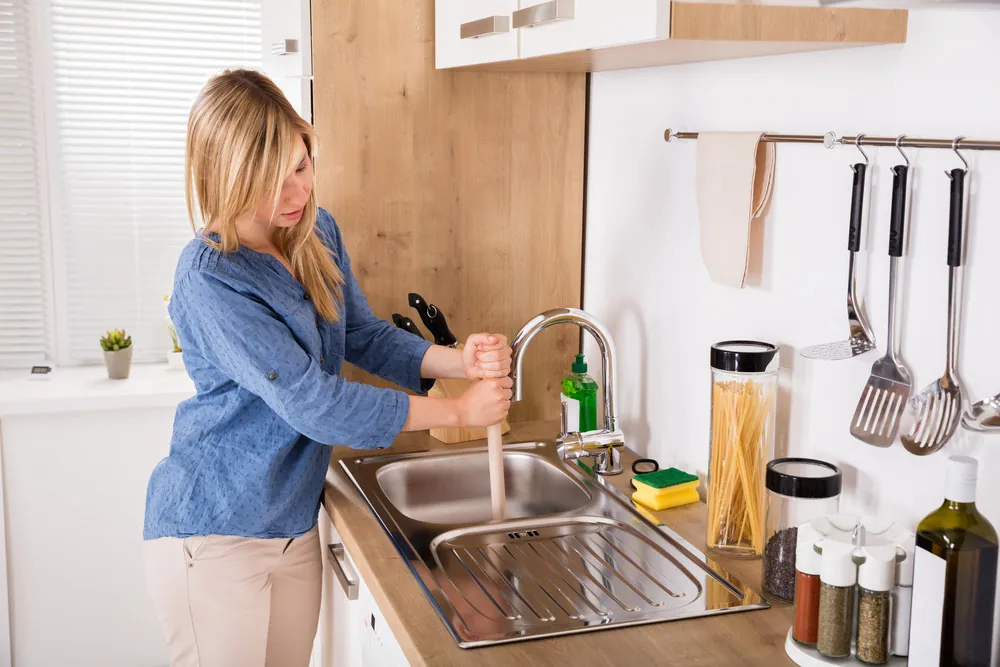
Step 2: Use a Plunger
Many homeowners think plungers are only for toilets. However, a sink or tub plunger can also help loosen minor drain clogs.
Fill the sink with enough water to cover the rubber cup. Then use several firm plunges to create suction.
Often, this simple step is enough to dislodge small blockages.
Step 3: Try Baking Soda and Vinegar
One of the safest homemade drain cleaners uses common household ingredients.
Pour one-half cup of baking soda into the drain.
Next, slowly pour one-half cup of white vinegar into the drain.
Cover the drain opening and allow the mixture to sit for about 15 minutes.
Finally, flush the drain with hot water to help wash away loosened debris.
This method works well for removing minor buildup and reducing odors. While it will not clear every clog, it is a safe alternative to harsh chemicals.
Step 4: Flush with Hot Water
After cleaning the drain, flush it with hot water for several minutes.
Hot water helps rinse away grease, soap residue, and loose debris. In kitchen sinks, making this part of your weekly routine can reduce grease buildup inside your pipes.
Avoid Chemical Drain Cleaners
Many store-bought drain cleaners promise fast results. Unfortunately, they can also damage your plumbing.
Chemical cleaners contain powerful ingredients that create heat to dissolve clogs. Repeated use may corrode metal pipes and weaken older plumbing systems. These products can also damage certain plastic pipes and create safety hazards if they splash onto your skin or eyes.
If chemical cleaners fail, the remaining chemicals can make professional drain cleaning more difficult and potentially dangerous.
Whenever possible, choose safer cleaning methods or contact a licensed plumber.
How to Prevent Future Drain Clogs
Prevention is the best way to clean your drains because it helps stop buildup before it starts.
Here are several simple habits that can keep your drains flowing smoothly.
Install Drain Screens
Drain screens catch hair, food particles, and other debris before they enter your plumbing system.
These inexpensive devices are one of the easiest ways to reduce clogs.
Never Pour Grease Down the Drain
Cooking grease may seem harmless while it is hot. However, grease hardens as it cools inside your pipes.
Over time, grease traps food particles and creates stubborn blockages.
Instead, allow grease to cool and dispose of it in the trash.
Be Careful What Goes Down the Garbage Disposal
Garbage disposals are helpful, but they are not designed for everything.
Avoid putting these items into your disposal:
- Coffee grounds
- Eggshells
- Pasta
- Rice
- Potato peels
- Fibrous vegetables
- Bones
- Large amounts of grease
These materials can clog drains or damage the disposal itself.
Clean Bathroom Drains Regularly
Hair and soap scum are leading causes of bathroom drain clogs.
Remove accumulated hair from shower drains every week. Periodically clean drain stoppers to prevent buildup before it becomes a problem.
Schedule Routine Plumbing Maintenance
Professional plumbing inspections help identify small issues before they become expensive repairs.
Regular drain cleaning by a licensed plumber removes buildup deep inside your plumbing system and keeps water flowing properly throughout your home.
When to Call a Professional Plumber
Sometimes home remedies are not enough.
If your drains continue clogging after repeated cleaning, the problem may be deeper inside your plumbing system.
Call a professional plumber if you notice:
- Multiple drains backing up
- Sewage odors
- Standing water
- Water backing up into tubs or sinks
- Frequent recurring clogs
- Slow drains throughout the house
These symptoms could indicate a more serious issue, such as a sewer line blockage, tree root intrusion, or damaged pipes.
Professional plumbers use specialized equipment such as drain cameras and hydro jetting systems to locate and remove stubborn blockages safely.
Trust Armor Plumbing for Professional Drain Cleaning
Knowing the best way to clean your drains can help you avoid frustrating plumbing problems and extend the life of your home’s plumbing system. While simple maintenance can prevent many clogs, some drain problems require professional attention.
At Armor Plumbing, our experienced plumbers provide expert drain cleaning, clog removal, plumbing inspections, and sewer line services for homeowners throughout Metro Atlanta and the surrounding communities. Whether you have a slow drain, recurring clog, or stubborn blockage, our team has the tools and experience to restore your plumbing quickly.
Contact Armor Plumbing today to schedule professional drain cleaning and discover the best way to clean your drains for long-lasting results.